News
Four warehouses became one. How did centralization change the supply chain and save thousands of euros?
Four warehouses became one. How did centralization change the supply chain and save thousands of euros?
How can one solution transform the entire supply chain, save tens of thousands of euros, and simplify employees' work? The answer is warehouse centralization.
Why were changes needed?
After analyzing warehouse occupancy and inventory issuance processes, we found that employees were spending a lot of time traveling to warehouses. This time could be spent on more important tasks, such as maintaining a safe infrastructure. This led to the idea of combining four regional warehouses into one central warehouse.
Today, organizations constantly strive to operate efficiently, reduce costs, and ensure smooth processes. One of the most striking examples is the Technical Maintenance Department's initiatives, which modernize infrastructure and boldly implement changes throughout the supply chain. We are pleased to report that, thanks to various LEAN and other initiatives, our company has generated more than €5 million in benefits for the state this year," said company director Vytis Žalimas.
How did we implement the project?
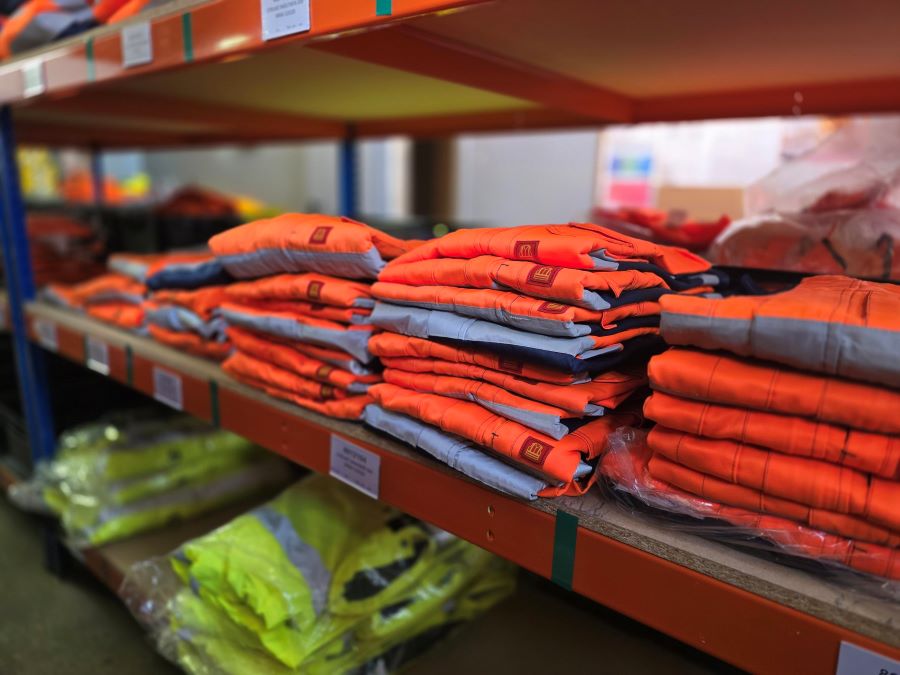
The changes began with a pilot project in which the warehouses in Kaunas and Vilnius were merged, and courier companies were used to deliver supplies. This model proved successful, so the warehouses in Kaunas, Vilnius, Šiauliai, and Klaipėda were centralized in Šiauliai because it best met the criteria.
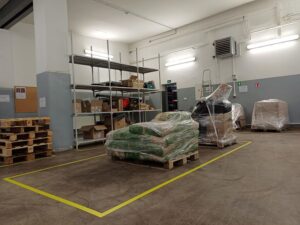
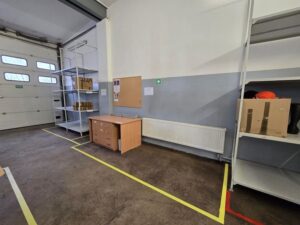
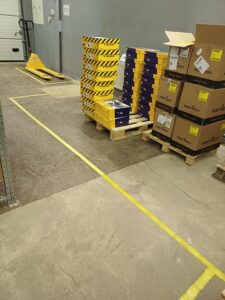
Throughout the process, we applied LEAN methodologies, including the 5S standard, visual management, the KANBAN system, standardized processes, KAIZEN initiatives, and regular Gemba visits. From idea to implementation, it took two years, but this is only the beginning—the LEAN culture ensures continuous improvement.
The results speak for themselves
- €83,000 in cost savings per year
- 900 m² of freed-up space
- 11,000 liter reduction in fuel consumption
- 3,200 hours of working time saved
For employees, this means more convenient service — goods are delivered directly to the workplace, eliminating the need to travel. The supply chain has become more flexible. Duplicate work has been eliminated. Excess inventory has been reduced. The organization has gained a more sustainable operating model.
What's next?
Centralization is not a one-time project but rather an ongoing improvement process. The company continues to implement a LEAN culture to achieve greater efficiency and sustainability.
BackNext