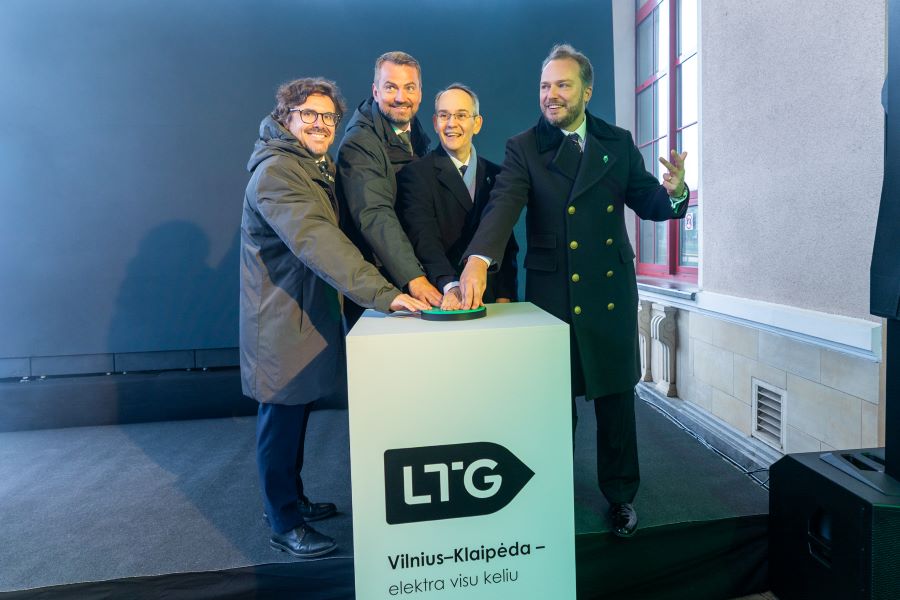
Lithuanian Railways is entering a new chapter in its history. One of the largest railway infrastructure modernization projects in the country has been completed, fundamentally transforming the future of Lithuania’s transport system. LTG Group’s infrastructure company, LTG Infra, has completed the electrification of the Vilnius–Klaipėda railway line. Following the implementation of the €457 million project, the share of electrified railways in Lithuania has more than tripled, increasing from approximately 8% to nearly 28%. For the first time in the country’s history, Klaipėda Seaport can be reached by electric traction via Lithuania’s main railway corridor.
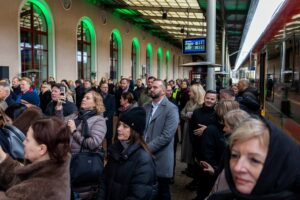
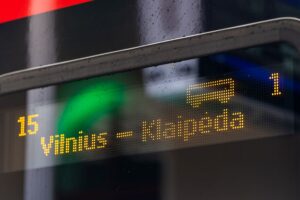
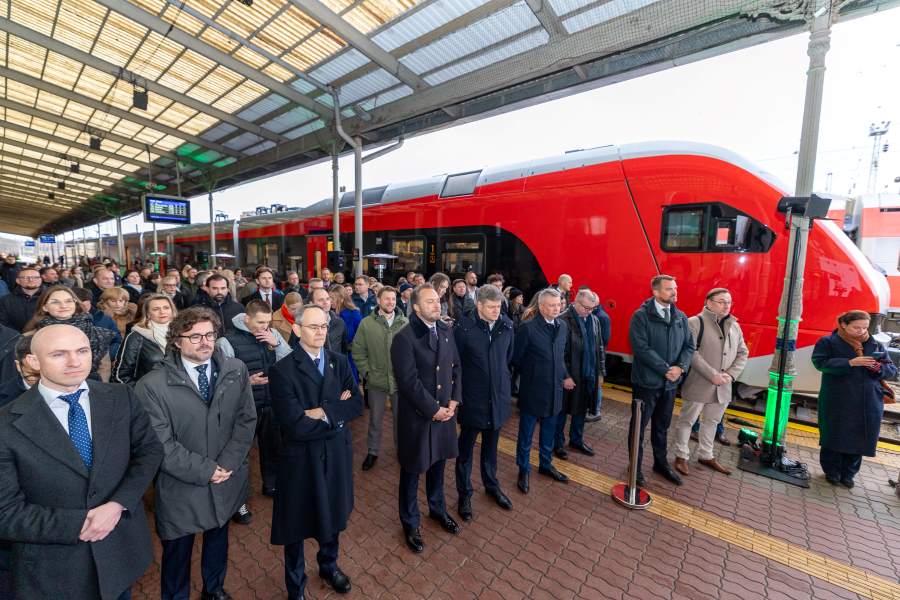
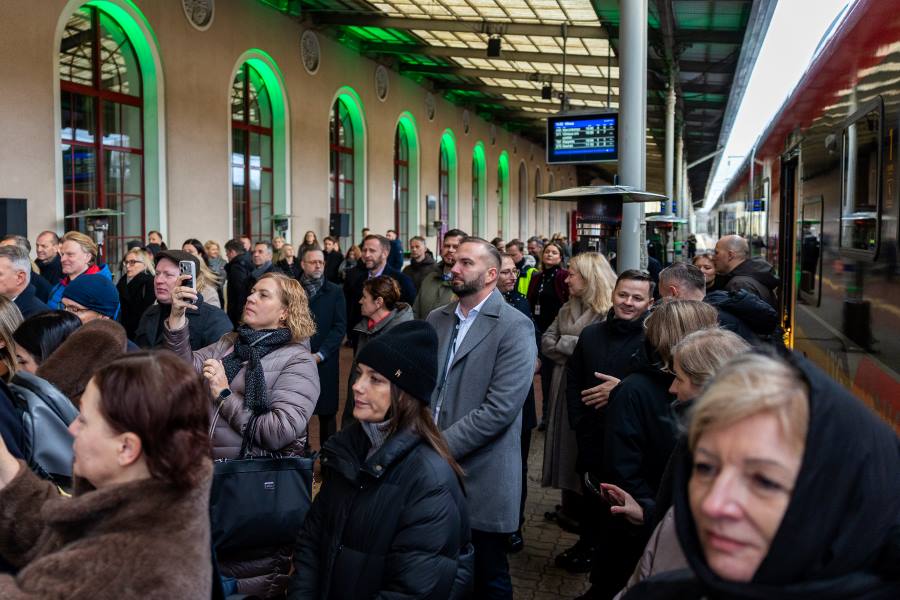
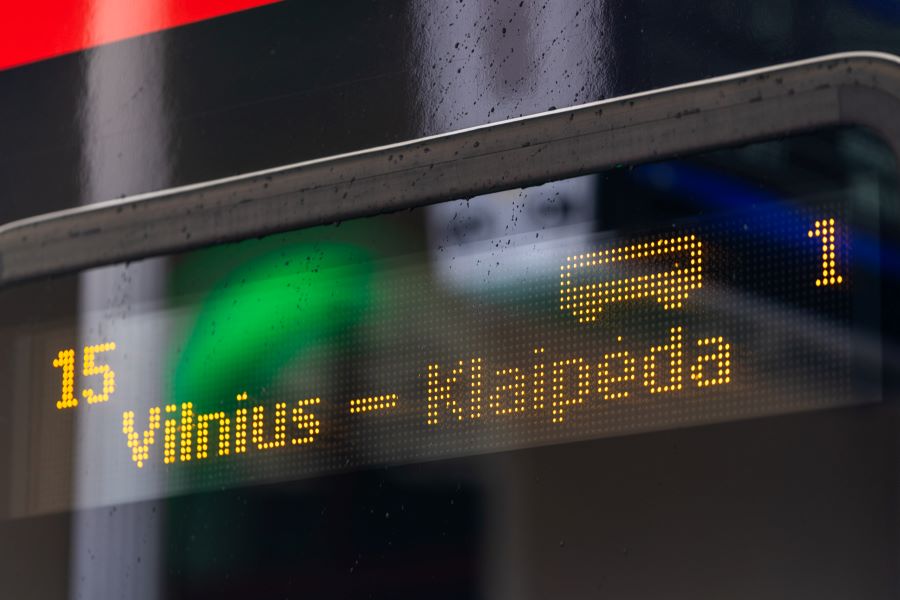
This historic achievement was marked by a symbolic journey of the first electric passenger train from Vilnius to Klaipėda. The inaugural trip became not only a symbol of the completed electrification project but also the beginning of a new stage in the development of Lithuanian railways, shifting from diesel-powered operations to a more modern, efficient, and environmentally friendly mode of transport.
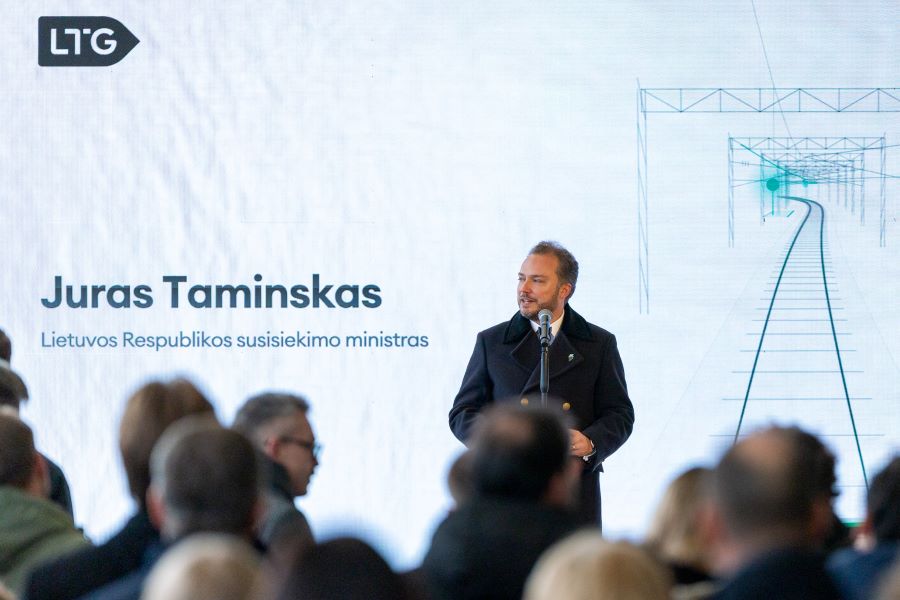
“Today, we are turning a new page in the history of Lithuanian railways by electrifying the country's main railway corridor from Vilnius to Klaipėda Seaport. This is one of those projects whose significance is measured not in millions of euros or kilometres, but in the benefits it will bring to our country over the coming decades. Railways are one of the most important arteries of Lithuania’s transport network and economy. The more modern they become, the greater the opportunities for the entire country. Now it is important to make full use of these opportunities and continue moving Lithuania forward,” says Minister of Transport and Communications Juras Taminskas.
The electrification of the Vilnius–Klaipėda railway line is a strategic investment in the future of Lithuania’s transport system. The country’s busiest railway corridor, which carries a significant share of both passenger and freight traffic, has been modernized. Electrifying this route creates the conditions for fundamentally transforming passenger and freight transportation, reducing dependence on fossil fuels, increasing railway competitiveness, and significantly lowering the environmental impact of the transport sector.
“Today, we are not only talking about a completed infrastructure project. We are talking about a historic transformation of Lithuanian railways whose impact will be felt for decades to come. By electrifying the country’s main railway artery, we have laid the foundation for a new generation of passenger and freight transportation. This is one of the most significant technological advances in the history of Lithuanian railways, enabling us to move towards a more efficient, cleaner, and more competitive transport system. The first electric passenger train departing for Klaipėda today is the clearest proof that this major investment is already delivering tangible change,” says Acting CEO of LTG Group Arūnas Rumskas.
In terms of scale, the Vilnius–Klaipėda electrification project is one of the most significant railway infrastructure modernization projects implemented in Lithuania since the restoration of independence. A total of 363 km of railway infrastructure has been electrified.
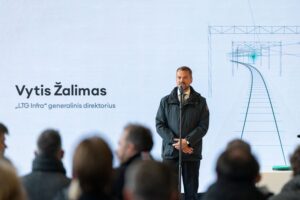
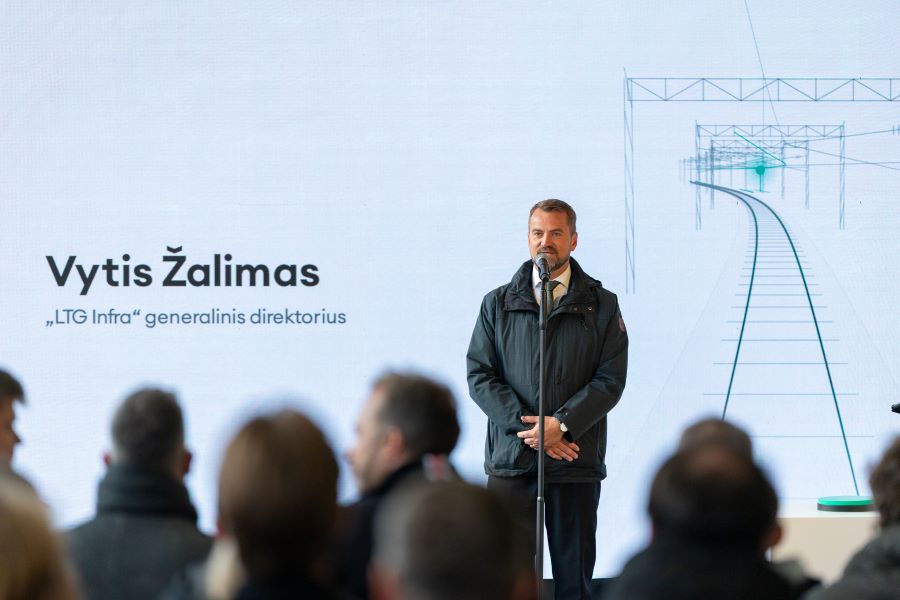
“This is the first railway electrification project of this scale in Lithuania in more than 50 years. By electrifying a 363-kilometre railway section, we have developed new competencies, gained experience working with the most advanced technologies, and strengthened our organization’s readiness for future infrastructure projects. This experience demonstrates that we are capable of successfully implementing even the most complex projects while ensuring uninterrupted railway operations,” says Vytis Žalimas, CEO of LTG Infra.
Until now, only the Vilnius–Kaunas, Vilnius–Kena, and Lentvaris–Trakai railway sections had been electrified in Lithuania. The newly electrified corridor significantly expands the possibilities of electric traction, connecting Lithuania’s four largest cities and the strategically important Port of Klaipėda.
This development is particularly important for the national economy. Electric traction enables more efficient freight transportation along Lithuania’s main transport corridor, reduces operating costs, and strengthens the competitiveness of railways as one of the key components of the country’s logistics system.
The project was implemented in three stages: the Vilnius railway hub, the Kaišiadorys–Radviliškis section, and the Radviliškis–Klaipėda section. The total investment amounted to approximately €457 million, of which €231 million was financed through the European Union Cohesion Fund and the Recovery and Resilience Facility.
With the completion of the electrification works, the Vilnius–Klaipėda line is now ready for electric passenger train operations. This historic milestone was marked by the first journey of an electric passenger train from the capital to the seaport city. Approximately 40% of all railway passengers in Lithuania travel along this route, meaning the benefits of electrification will gradually be felt by a large share of the country’s population. The electrified infrastructure paves the way for a new generation of trains, more modern travel experiences, and more sustainable mobility between Lithuania’s largest cities.
It is estimated that the wider use of electric passenger and freight trains will help avoid approximately 150,000 tonnes of CO₂ emissions annually. This represents a significant contribution to Lithuania’s climate change mitigation goals and one of the most important steps towards reducing the railway sector’s dependence on fossil fuels.
 LTG